Years ago I wrote a post on anger. This post is a distillation of that article along with a few additional thoughts.
Continue reading “How To Process Anger”Years ago I wrote a post on anger. This post is a distillation of that article along with a few additional thoughts.
Continue reading “How To Process Anger”
Of all emotions, jealousy is one that can be the most destructive.
When this emotion gets out of hand one might become wholly destabilised and utterly destructive. Feelings of inadequacy is often at the root of jealousy. And this feeling can be quite unbearable. Sometimes, complete destruction (or self-sabotage) is favoured over turning inward to face the jealousy.
Continue reading “Emotional Work: Jealousy”
In very simple terms, emotional integration is when the internal charge of an uncomfortable emotion dissolves.
The tricky thing is this: We are often unaware of stuffed down emotions. We might not be aware of every single thing that we felt during a traumatic event. Some things stay buried for very long.
On one level, we know that we’ve integrated a trauma when we no longer feel charged emotion when we think about the associated event. But that is not to say that there isn’t still some stuff beneath the surface of our awareness.
I’ve often been baffled by how many layers of emotion a traumatic event can contain. When the charge of a specific situation doesn’t dissolve quickly or instantly, we might need to re-investigate what’s going on inside.
Continue reading “What is emotional integration? (Extended Version)”There are many reasons why we resist difficult feelings. One reason comes from an inner sense that we do not want someone to have power over us. The person can be someone close, or it can be someone who has disappointed us in the past. Whatever the case, there’s usually an inner dialogue that sounds like this: “I refuse to feel sad about what that person said. I will not allow them to have power over me.”
Continue reading “Emotional Work: Resisting Difficult Feelings”
I’ve spent the past two weeks desperately trying to lower the blood sugar of a close family member. This person has received all manner of advice from medical “experts.” They call themselves experts, yet when it comes to real results—meaning better health, not just suppression of symptoms—they rarely have anything to show for it. Real health improvements are hard to achieve. Difficult. Difficult. Difficult. This is especially true for older people.
Continue reading “Foundations of Fear”
There is no lotto to be won, no lucky break, no quick fix. The thing to do is to integrate difficult emotions. To hold the discomfort without condition.
Our lives automatically become better when we process emotional garbage into compost.
Continue reading “No Lucky Break”
Certain things will never change if there is no inner change. When difficult emotions are avoided, things stay in stasis. When inner blocks aren’t attended to, no outer change will occur. This is true for personal circumstances; it is true for collective circumstances.
Continue reading “Inner Change”
Often, the thing that will benefit us the most is the hardest. It’s also likely the thing that we’ve been avoiding for months, years, or decades.
If it’s really hard to stay away from sugar, then that’s probably a priority. If a certain exercise is really hard, that’s probably the thing that will yield significant gains. If we tend to avoid difficult conversations with a certain person, it’s likely that this tendency has caused some buried resentments and internal knots.
Continue reading “What’s the hardest?”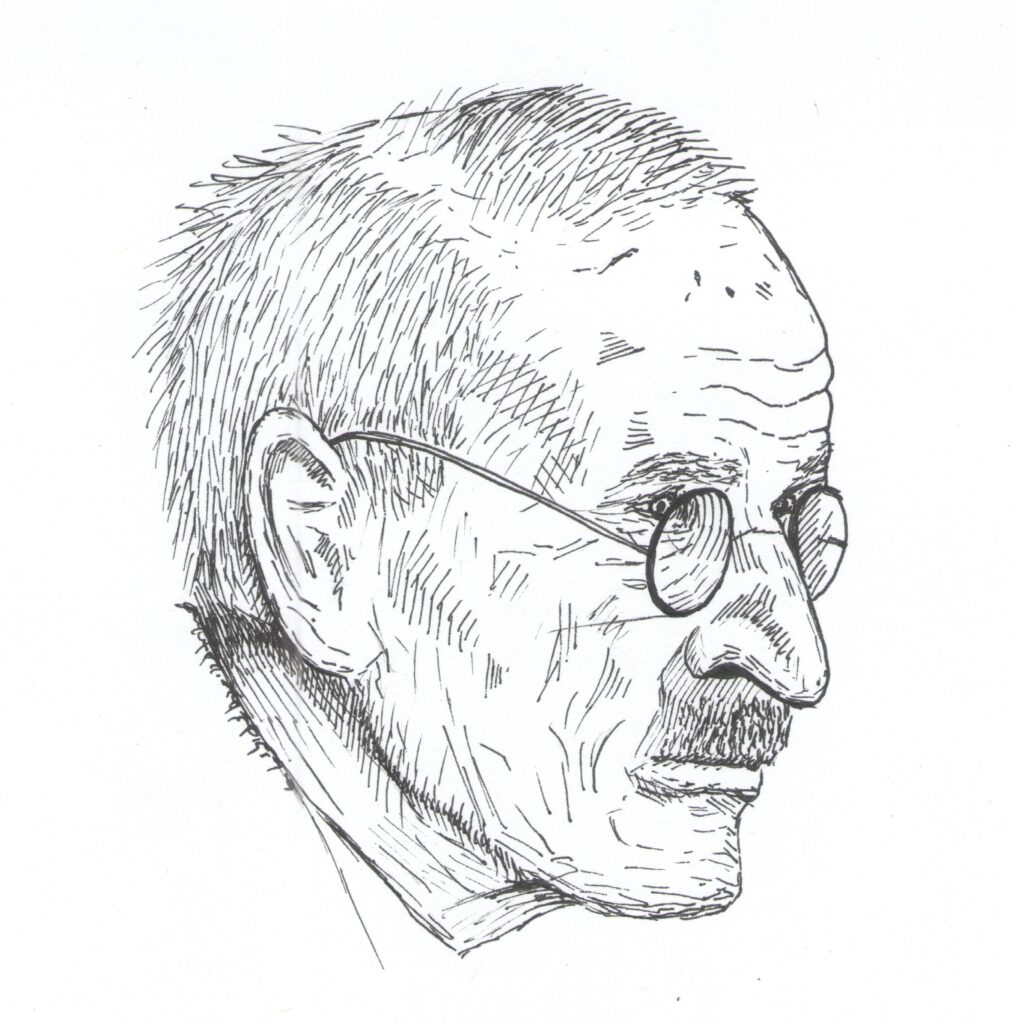
When Jung was around twelve years old, a fellow school student knocked him over. As the young Jung fell, he hit his head such that he nearly lost consciousness.
It was after this point that Jung experienced fainting spells every time he was supposed to go to school. For more than six months, Jung stayed away from school. He spent his time in nature and isolation. He read and played in the woods. He drew pictures of battles and castles. And he drew pages and pages of caricatures.
Here’s a quote from Memories, Dreams, Reflections about the period:
“But I was growing more and more away from the world, and had all the while faint pangs of conscience. I frittered away my time with loafing, collecting, reading and playing. But I did not feel any happier for it. I had the obscure feeling that I was fleeing from myself.”
Continue reading “Confronting Fear | How Jung Cured His Own Neurosis”
The idea of titration as it pertains to trauma comes from Peter Levine’s In An Unspoken Voice. As Levine explains in his book, when we add a huge quantity of neutralising base to a strong acid, we end up with an explosive reaction. Conversely, if we add the base to the acid in tiny amounts we can eventually neutralise the acid without an excessive reaction.
This idea can be related to trauma. Deep trauma leaves the body frozen. The energy locked into that frozen state is often explosive and enormously difficult to deal with. When we force awareness into the totality of what is buried, we might become entirely overwhelmed.
Continue reading “Emotional Work: Titration”