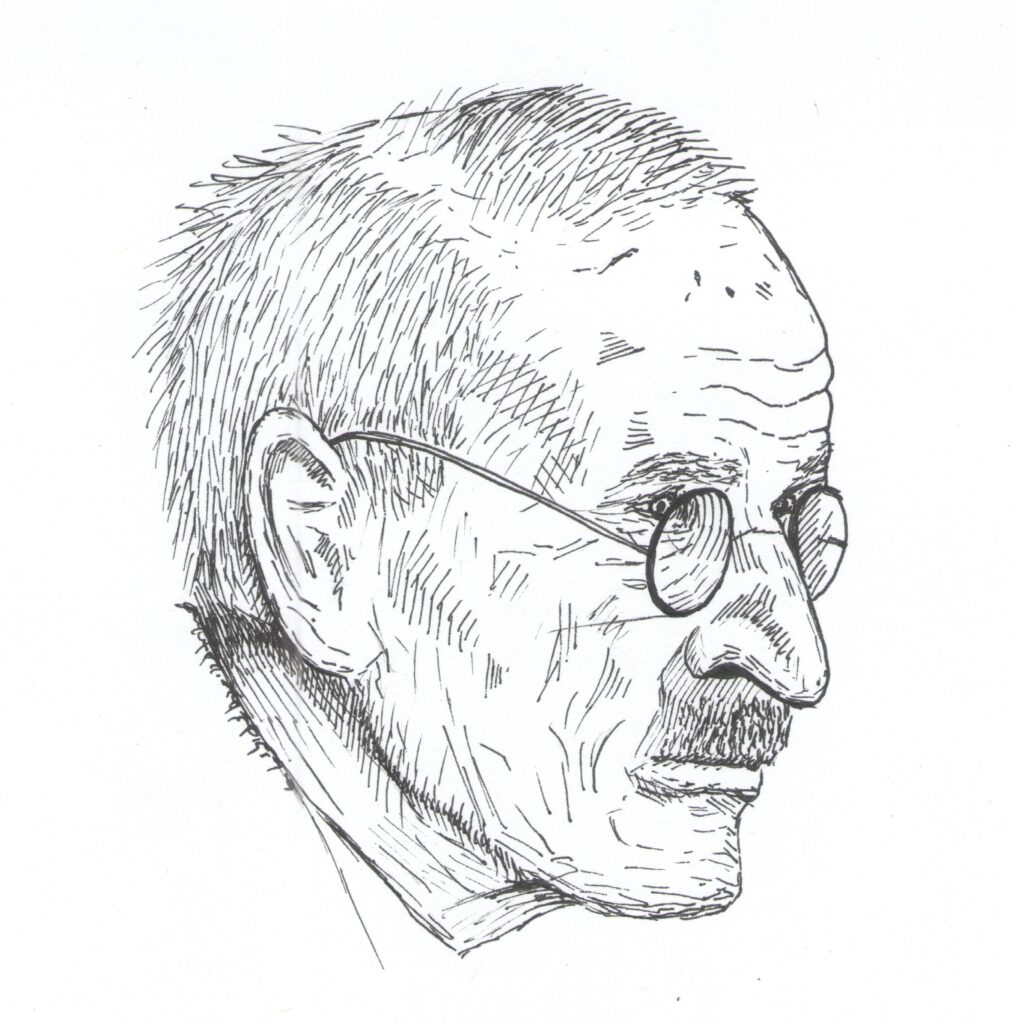
Not many people know this but Jung did yoga during a time when he was flooded with disturbing psychic information.
Continue reading “How Yoga Helped Jung During the Most Turbulent Time in His Life”Not many people know this but Jung did yoga during a time when he was flooded with disturbing psychic information.
Continue reading “How Yoga Helped Jung During the Most Turbulent Time in His Life”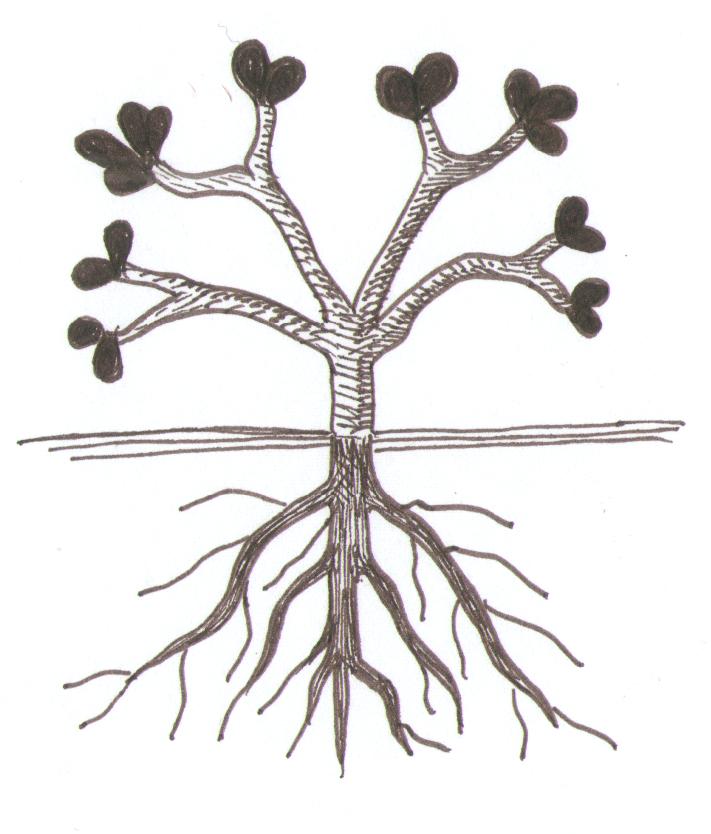
Alexander Lowen’s work on body holding patterns, grounding, bioenergetics, and character structures might be just as important as Carl Jung’s work on the unconscious. Maybe even more important.
Two reasons why: Firstly, we cannot execute on meaningful tasks when we are ungrounded. We simply can’t. This is not an exaggeration, but a fact. Secondly, being ungrounded has become a widespread societal tendency. We have become utterly floaty. No one notices this because it’s the norm. Difficult emotions continually derail us and we can’t stand our ground on anything important. If you can’t ground, you can’t integrate difficult emotions. Simple as that.
Continue reading “What is Grounding | Why it’s Important.”
When an internal block dissolves, one can usually perceive a change on the outer level. This is alchemy. A keen observer can spot the outer change that ripples from inner transformation, whether that change is in themselves or in another person.
Continue reading “Inner Alchemy”
Freedom and responsibility are two sides of the same coin. If we want more freedom, we also need to become more responsible. We mustn’t be upset when top-down control becomes too rigid if we haven’t learnt to take responsibility for things around us.
Continue reading “Freedom and Responsibility”
When we do creative work, the work itself is the North Star.
Not fame or acclaim, but the quality of the work.
Just that.
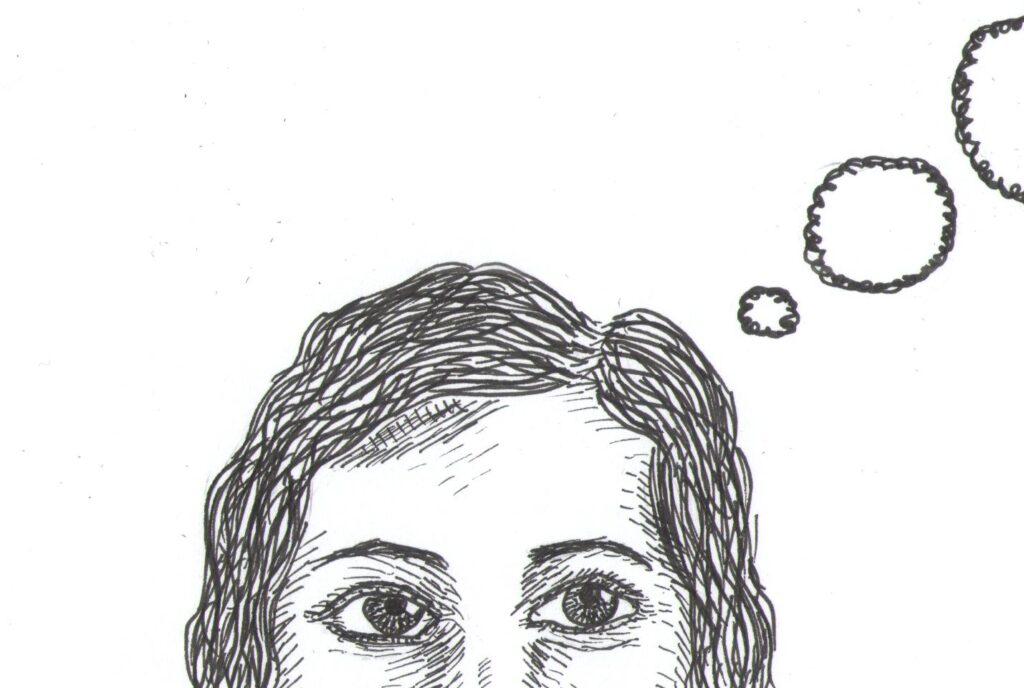
What would your strategy for life be if things were darker? Asked another way: what would you do if life on Earth was more challenging than it currently is? What if there was more censorship, more control, more corruption, more manipulation, more destruction? What would your strategy for life be?
Continue reading “A Thought Experiment”
Some might wonder why I go so deep into emotional processing. The biggest reason was always to counter endless tendencies of avoidance. I saw (early on) that I could not get any creative work done if I was clogged up emotionally.
My goal with emotional processing wasn’t to dissolve all negative feelings forever—that’s unrealistic. Rather, my goal was to increase my creative output. There are many benefits to emotional processing. For instance, it allowed me to be more comfortable with uncomfortable emotions. It helped me to resolve long-standing anxiety issues. Things like this. But these things were never my main goal. My main goal had to do with creative output.
Continue reading “How to Create More”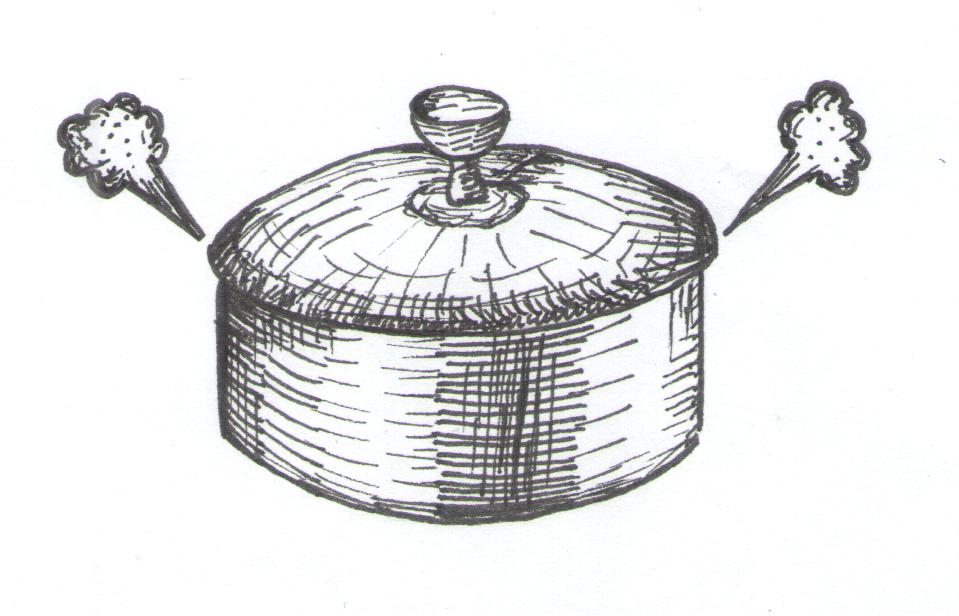
Years ago I wrote a post on anger. This post is a distillation of that article along with a few additional thoughts.
Continue reading “How To Process Anger”
I often listen to recovery stories because I find them inspirational.
I once heard a man say that not being arrested for driving drunk was the worst thing that could’ve happened to him. It gave him the idea that he could get away with anything.
After he was let off the hook with zero consequences, he went on the worst bender of his life.
Continue reading “The Worst Thing That Could Have Happened”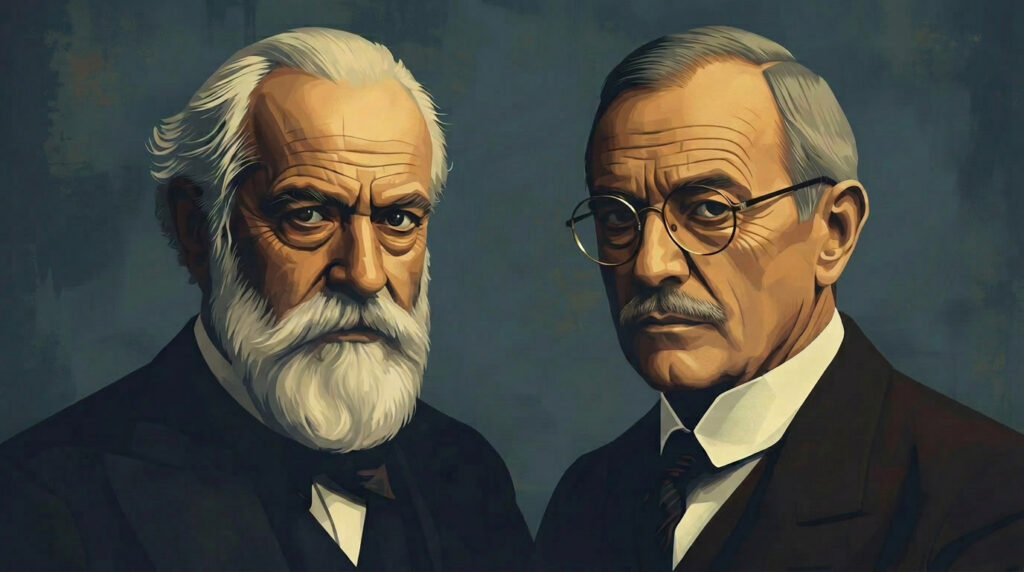
Carl Jung and Sigmund Freud had two very different views on dreams. Dreams to Freud were wish fulfilments. Jung’s view was more expansive. He didn’t lump dreams into one set category. To Jung dreams were alchemical catalysts, messages from the unconscious, and something that re-establishes psychic equilibrium. From the Jungian perspective you can think of dreams as parables.
Continue reading “Jung and Freud | What are dreams?”