Author: Henriette

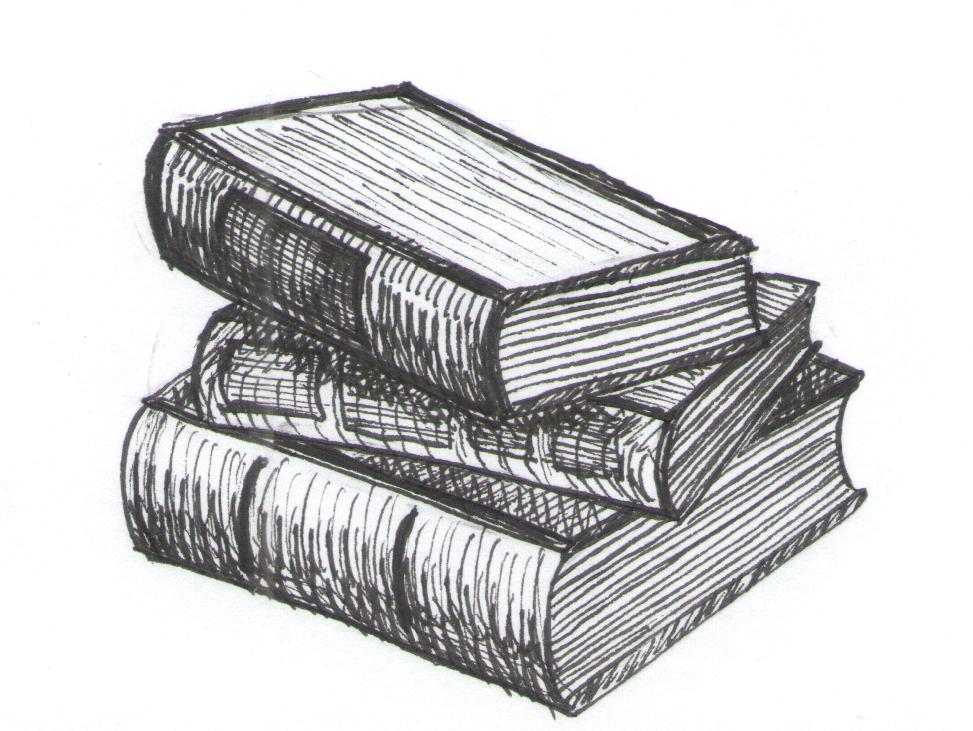
Don’t Aim to Read More. Read Slower.

Over the last few years, I’ve probably seen dozens of videos and blog posts that discuss methods and tips on how to read more. But my big breakthrough in reading came when I shifted from reading more to reading more slowly. Reading really slowly fits in nicely with my commitment to mindfulness and presence, but it also made me a better writer and reader. I think we can learn a lot, not by reading more, but by reading with more focus and effort.

Continue reading “Don’t Aim to Read More. Read Slower.”

Future Achievements Cannot Set Us Free from the Disappointments of the Past

There’s a reason I spend so much time writing about being in the present moment. I believe that being mindful and in the moment can transform our experience of life.

In my twenties, I used to chase certain achievements because I thought that it would counterbalance some of the suffering that I was experiencing. I thought that if I could only achieve a few key things, I would feel better.

But I’ve realised that there are very few external conditions that can bring us inner joy. Yes, certain things might lift our spirits for a while, but if we want to have a more sustained experience of joyfulness, equanimity and focus, then we need to be with our internal suffering for long periods of time.

Continue reading “Future Achievements Cannot Set Us Free from the Disappointments of the Past”

Work is Love Made Visible – Kahlil Gibran

About thirteen years ago, someone told me that he can’t believe that he gets paid to do the work that he does. He stated that he enjoys his work so much, that he would gladly do it for free. That conversation kind of planted a seed in me. My idea of work up to that point was mostly that it was a harsh slog of difficulties. But the conversation told me that maybe it doesn’t have to be that way. I thought about it a lot and kept encountering the idea in different ways and on other occasions.

Continue reading “Work is Love Made Visible – Kahlil Gibran”

Faarland was not about over-thinking

Back in 2018, I self-published a fantasy story called Faarland. This story is about a faar called Cullford and his journey in uncovering various disturbing facts about the organisation he works for—the Science Ministry. Over the course of his adventures, Cullford has shocking realisations about many ideas he once believed wholeheartedly.

For instance, The Third Truth is “Too much thinking can drive a faar brain insane.”

Without giving too much of the story away, I want to say that the Third Truth was not about over-thinking. Rather, the Truth was used as a mechanism of control. It was used as a way to keep faars from questioning things.

Continue reading “Faarland was not about over-thinking”

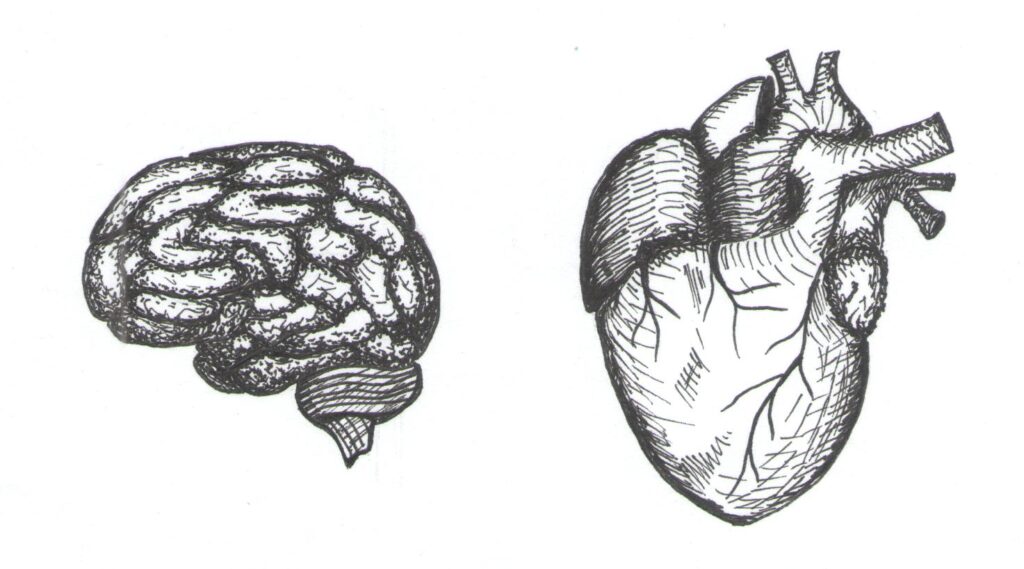
Why emotional awareness matters more than intelligence

As a society we kind of have this obsession with intelligence. We admire people that are smart and even go so far as to build things that are smarter than us. Chess software engines like Stockfish that can basically waste any grandmaster.

We put intelligence on a pedestal and believe that it will solve all our problems. But a lot of our problems are not due to a lack of intelligence. A lot of our problems stem from charged emotions like jealousy, shame, fear, and anger. These unwanted emotional states often drive us to do unwise things.

I would argue that it is not that we need more intelligence but that really we need more emotional awareness and ultimately emotional integration.

Continue reading “Why emotional awareness matters more than intelligence”

Writing a great scene

Sometimes getting into the right state is the first step in writing a great scene.

When I want to write good fiction, I have to be focused, alert and at least somewhat in the mood. I can’t be rushed, or distracted, or angry, or tired. Those states aren’t optimal for great writing.

But anyone who has done extensive fiction writing (or any writing for that matter) knows that focused eagerness is rarely the state that you start off with. It’s the exception, not the rule. But there are a few things one can do to cultivate a better state.

Continue reading “Writing a great scene”

The Wisdom of Equilibrium (2002)

(NOTE: This post contains spoilers)

When I first watched Equilibrium, featuring Christian Bale, I thought it was a good movie but I didn’t necessarily realise how significant the main theme is.

This was probably ten years ago at this point, and back then I was re-watching many sci-fi favourites like Gattaca and Minority Report to name just a few. A friend recommended that I watch Equilibrium because it fell nicely into my genre of interest. I loved the movie, and as a side note, the scene where Cleric John Preston first hears Beethoven’s 9th Symphony got me into Beethoven and classical music.

So, I really liked the movie but my first reaction was: We’ll never live in a totalitarian state that suppresses emotion.

Continue reading “The Wisdom of Equilibrium (2002)”

The burden of meaning

Meaning is often seen as a good thing. We want the work that we do to be meaningful. We want our relationships to be meaningful. We attach a lot of value to meaning because we believe that a big, important “why” will counterbalance the inevitable difficulties of the “how.” This idea has merit, but attaching too much meaning to something can also be burdensome. Meaning can bring a certain amount of expectation and heaviness.

Continue reading “The burden of meaning”

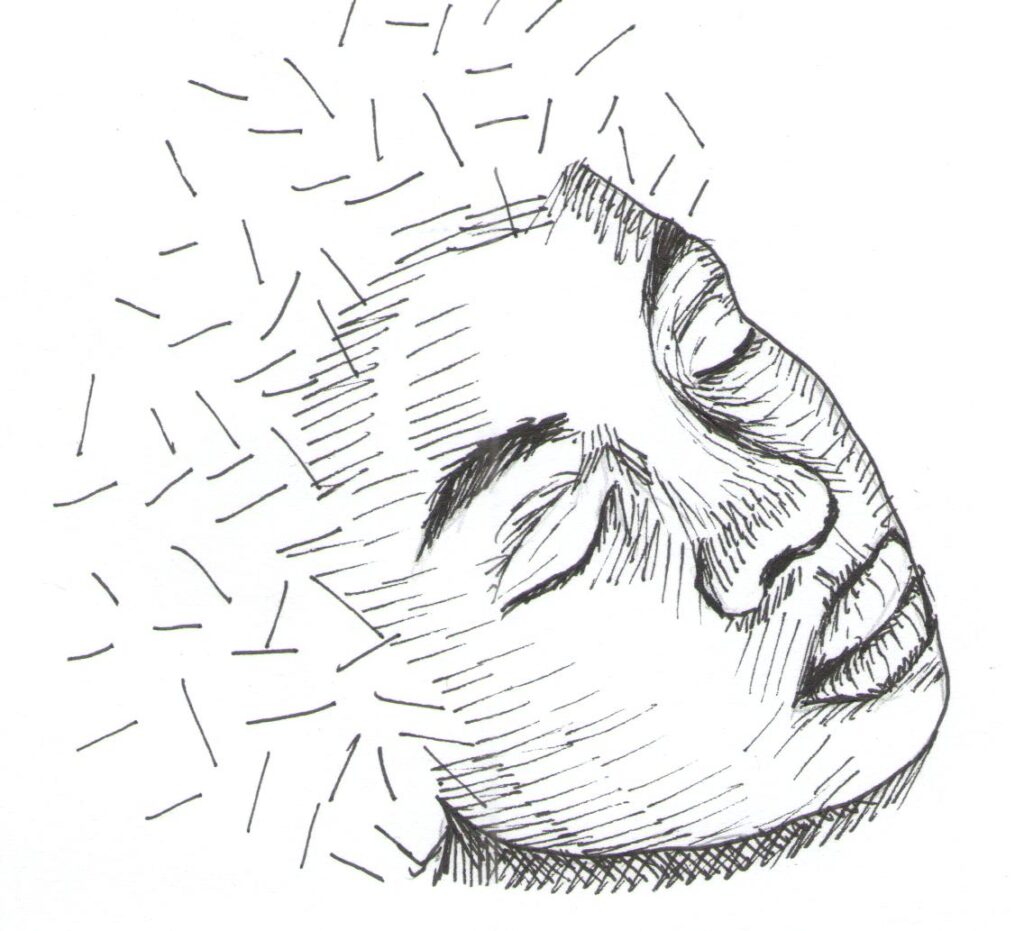
Dreamwork: How to interpret your dreams (and stay relatively sane)

woman dreaming pen sketch

Dream interpretation can be difficult for many reasons. For one thing we might not always know what our dreams are trying to tell us. Sometimes it might seem like our dreams are contradicting itself. Also, prophetic dreams can be terrifying and instill fear for some possible future outcome that we would do anything to avoid.

This article discusses some of the challenges related to dream interpretation and gives a few basic guidelines to navigate them.

Continue reading “Dreamwork: How to interpret your dreams (and stay relatively sane)”