
In very simple terms, emotional integration is when the internal charge of an uncomfortable emotion dissolves.
The tricky thing is this: We are often unaware of stuffed down emotions. We might not be aware of every single thing that we felt during a traumatic event. Some things stay buried for very long.
On one level, we know that we’ve integrated a trauma when we no longer feel charged emotion when we think about the associated event. But that is not to say that there isn’t still some stuff beneath the surface of our awareness.
I’ve often been baffled by how many layers of emotion a traumatic event can contain. When the charge of a specific situation doesn’t dissolve quickly or instantly, we might need to re-investigate what’s going on inside.
How do we know if we’ve integrated a trauma?
But how do we know if we’ve integrated a trauma. Although there are no exact answers we can determine this through self-observation. If we notice that there is a lessening of destructive behaviours—especially ones that stem from that specific trauma—then we know that we are making progress. Another sign is more internal calm. More presence. We might also experience less stuckness when it comes to situations that stem from associated wounds.
Think about it this way
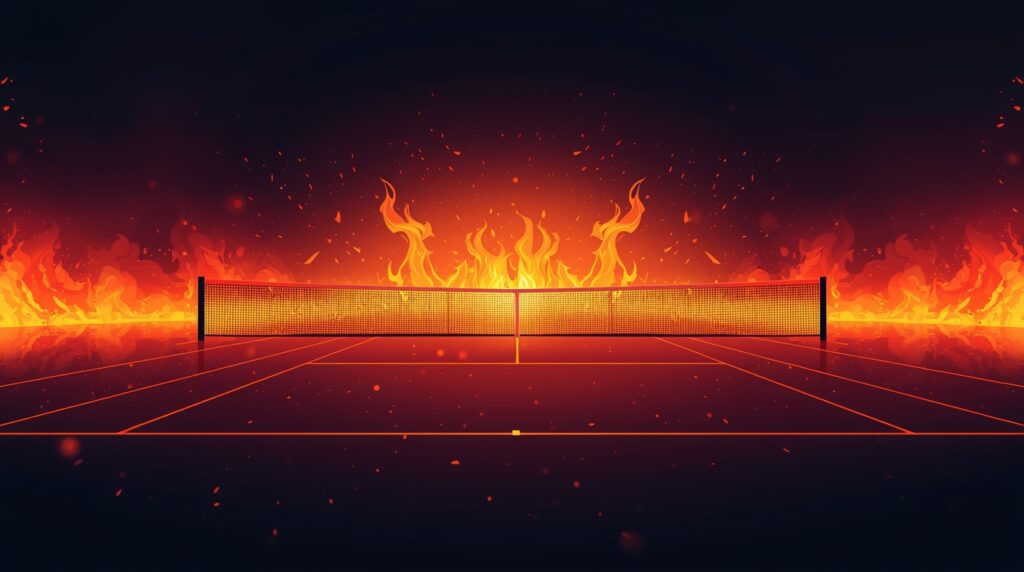
Emotional fights—with ourselves or with others—can be viewed as an exchange of fireballs. Here’s a helpful analogy: When Jane says something hurtful to Jon, she’s essentially flinging an energetic fireball at him. Receiving the fireball hurts. Jon doesn’t want to feel hurt. He flings the fireball back at Jane—meaning he says something hurtful in return. Jane, receiving Jon’s fireball, is now just as hurt.
The tennis match continues. Both think that it’s the flinging of the fireballs that will eventually make them feel better. Both think that it’s the ultimate fireball that will win the match.
But it doesn’t work.
And neither of them have enough emotional awareness to recognise this. After the fiery tennis match, both feel emotionally drained. They aren’t able to make any positive changes and the wedge between them widens.
If, say, Jon wants to break this cycle of fireball flinging, he needs to receive the fireball. Feeling hurt for a while is the sacrifice he must make to integrate the emotion. Emotional integration is the thing that allows change at a fundamental level.
When Jon holds the fireball kindly, without judgement and narrative loops, he becomes stronger. This isn’t easy. Nor is it immediately apparent that he’s becoming stronger. Each fireball only strengthens him a tiny bit. Sort of like doing a few squats.
But in a week, or two Jon feels a difference. Suddenly it’s emotionally easier to move through the world. The fireballs that he has integrated—meaning the emotional hurts—has strengthened him much like a bunch of squats. His emotional legs are stronger.
In a few months, he has enough strength to make changes. He is no longer spending his time thinking about how to get back at Jane. And he’s no longer in a loop of suffering. He can spend his time on creative and productive work. That’s the gift of emotional integration.
Emotional integration is not repression
Emotional integration is not repression. Emotional integration involves being aware of what we are feeling—not avoiding the feeling.
Awareness is key
Integration work involves uncovering various emotions. I used anger in the example because it’s an easy emotion to recognise most of the time. But integration work has layers to it. And there’s no one size fits all.
One person might find that they have frozen grief and that the unresolved grief has made them exceptionally passive throughout life. Another might find that their anger is way too explosive and they need to dissolve the overpowering charge. And another person might find that they need a certain amount of anger to make necessary changes.
There are layers of feelings and we need self-awareness to navigate the journey. But the key thing to remember is that emotional integration makes us emotionally stronger. And it is this emotional strength that allows things to change on a fundamental level.